
#mindfulness
#mindfulness
The simple act of being thankful can work wonders for your mind!
Scientific studies show the benefit of gratitude for mind and wellness. However, being grateful doesn’t come naturally to most of us, especially for the thing we often neglect. Let us learn and make this a habit.
As I walk down to the parking lot each morning, I see a guard sitting on a chair in the dimly lit basement. I also see an old gentleman walking down each evening when I go on a jog. Seldom did I understand the importance of people who are ‘just there’ in life till the lockdown came. And with it, the time to think that how people and things we neglect often make our life better.
It is not before one walks the insecurity and melancholy of an empty street each evening that one realizes the value of an old gentleman passing through every day. There are many things that impact our mind and body, but we seldom care about them. It was when I started acknowledging the guard and giving him a casual nod that I felt that the guy started responding before I did each day. Now, I had a friend sitting as I passed down the parking lot every morning, rather than a stranger!
Whenever we connect we build relations, and building relations makes us happier! However, the best out of these connects is the one of gratitude. The one where we see that what we have obtained rather than what we have given. The benefits of gratitude, or an acknowledgement of what we have obtained improves a sense of connect with our surroundings – not only people, but also the events and situations and see them in a positive light. However, the practice of gratitude is often elusive in the beginning. Once learnt and internalized it is equally gratifying and refreshing. In our future posts we will touch on how gratitude helps and how to practice it.
Spiritual practices play an important role in men’s health. It may well be said that next time you see a man in the temple, it is likely that he is healthier than the one who never believed!
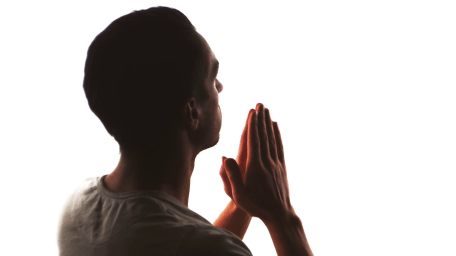
As a conclusion to the men’s health month, I chose to probe into the spiritual dimension of men’s health. This was partly due to my own curiosity in the field, and partly due to the neglect (or rather contempt) towards the spiritual dimension of health and wellness. Role of spirituality in health, healthcare, and wellness is often understated and misunderstood [1, 2, 3]. This is more so in men, as men are often perceived to be less spiritual as compared to women, even though this distinction may be more obscure in the east than in western countries.
An overarching body of evidence supports the positive role of spirituality in various health issues concerning men. This may not be limited to psychological health as popularly perceived, but also in physical health and disease [4]. Healthy practices associated with religion and spirituality such as discipline and yoga may be associated with some of the health-related outcomes. On the other hand, the social impact of religious and spiritual groups in health-related behaviors may also impact health outcomes.
Jaberi et al (2017) have defined the spiritual dimension of health as having three categories, namely, antecedents, attributes, and outcomes. In simple language, this would mean that the spiritual health of a person may be defined as constituting certain characteristics which are termed as attributes. These are the ability to think beyond physical self, understanding of meaning and purpose of life, interconnectedness among individuals and life, faithfulness, the power of integrating, multidimensionality and the concept of a human being as a holistic entity. These characteristics arise from the ability to look as oneself beyond a physical entity and spiritual awareness [5].
Garfield et al (2014) have attributed the effect of religiosity and spiritualism in health-related outcomes for men to two pathways. The first pathway is by buffering against effects of illness. This may come by health habits. As an example, worsening of depression may be mitigated in religious men as they often keep away from alcohol and tobacco etc, that may cause worsening of depression. Similarly, spiritual men are known to adhere to the medication regimen and are known to cope with illness related stress better. The second pathway is through the prevention of disease by following a healthy lifestyle, improved knowledge of health and wellness and increased resiliency [6].
Linkages between substance abuse, especially alcohol abuse and effect of spirituality in preventing and controlling substance abuse have been studied in various researches [6, 7, 8, 9, 10]. The effect of religion/ spirituality may be seen across ethnicities and geographical locations. Spirituality is also associated with reduced suicidal tendencies linked with substance abuse, as well as the prevention of relapse.
Spirituality has also been positively associated with increased physical activity [11] and therefore health promotion and prevention of various chronic diseases. Its effect in improved outcomes for various chronic diseases through various mechanisms such as better coping and compliance with prevention protocols have been documented in previous researches. Effect of spirituality in various chronic diseases such as type 2 diabetes [12], heart disease [13], rheumatoid arthritis [14], cancer [15] and other chronic diseases [16] has also been established.
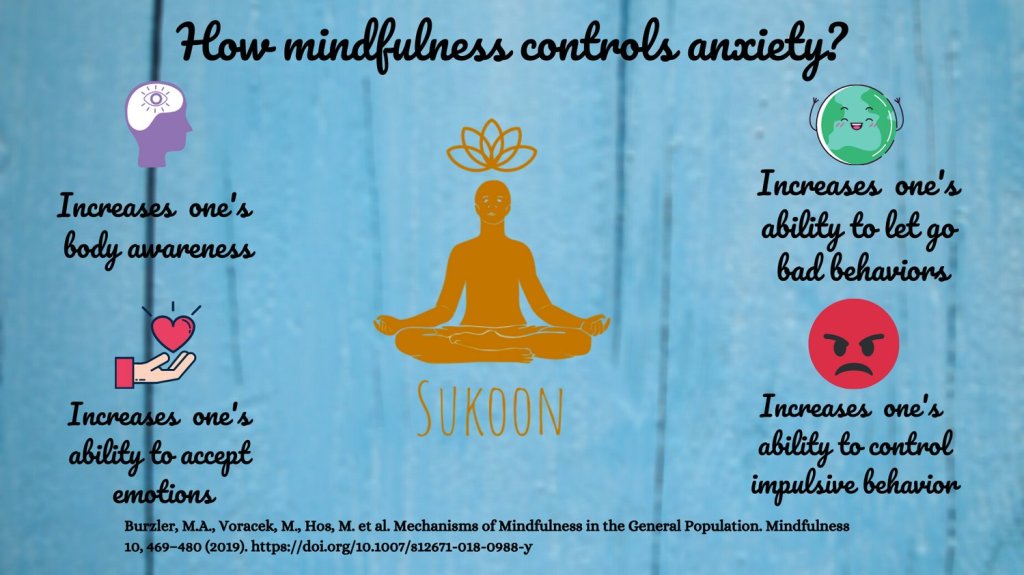
Additionally, the role of spiritual practices such as meditation and mindfulness is well known to be associated with good psychological health. Its role in coping with depressive states is also well known. Overall spiritual states are associated with reduced stress and improved coping behavior.
Even though there is an increasing evidence to support the positive role of religion and spirituality in health promotion and positive health along with disease prevention and control; there are still some religious practices in various religions that may prove to be associated with health hazards. These practices should be avoided. Overall, spiritual practices play an important role in men’s health. It may well be said that next time you see a man in the temple, it is likely that he is healthier than the one who never believed!
References
written by,
Dr. Ankur Sharma
 Vivact - Talking Healthcare