Wearables-A new beginning..

Wearable-technology-in-Fintech.jpg

“The more the technology grows, the easier life becomes”

Day by day the world is changing. The man with his full potential is trying to make every hurdle disappear and bring the best out of the technologies that we have. And latest came the new technological innovation wearables. Many may wonder what this is all about and will be eager to know more about this technology which has turned out to be a much-discussed piece of innovation.

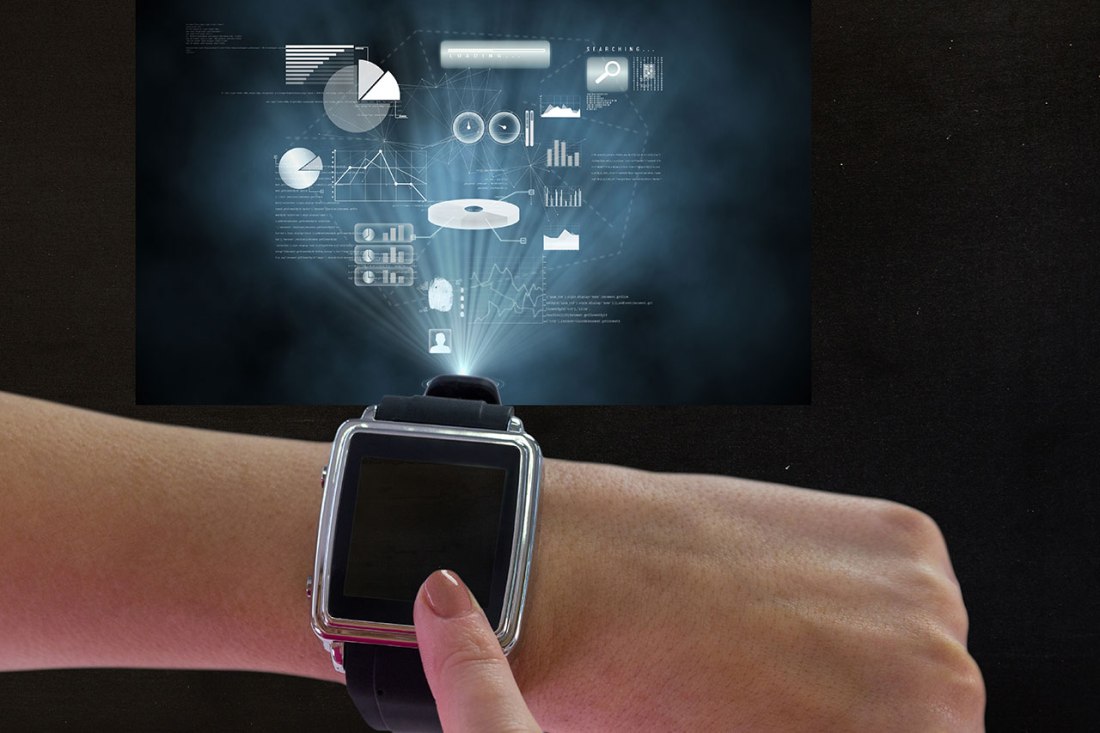
Anything that is worn to detect health or mobile applications and web monitoring to analyze health generally comes under the term wearables. The use of this in clinical practices are increasing day by day.

Wearables are currently growing highly in popularity with the hope of growth to $25 billion by 2019. The devices like Fitbit, jawbone etc have been popular among the public because of their cheap rates and affordability. With the rise of chronic conditions like obesity due to our lifestyles, use of this technology has reached the heights.

What makes it a better option??

The higher compliance rate, reduced dropout rate etc has added its relevance and also provides an additional advantage of reduced hospital visits. More accuracy and accessibility at our fingertips has made it more popular. The greater accuracy and need for a daily analysis rather than clinical visits at certain intervals has made it a better method to rely on.

Many diseases even don’t require the appliances to be worn but just needs a mobile app to detect their health conditions.

Current Scenario

These days the areas which  widely uses this technology are–

1.Congestive Heart Failure

2.Hypertension

3.Diabetes

4.COPD

Above all Parkinson’s Disease attributes to the most successful area till date. This is due to the ability of it to easily measure and analyze the heart rate, function, physical activity and soon glucose levels round the clock.

The devices like glucose monitor and WristOx2 the pulse oximeter are best models that define how progressed the field has turned.

Challenges faced

Many corporate companies are just at the infant stage of this innovative development. More focus is required in its development and progress can only occur if work is done in the core bringing it to mainstream rather than as a side function.

The device size, weight, water resistance, durability, and comfort are to be essentially considered because every time the patient takes it off, there is a chance that they don’t put it back on. The processes for validating the digital biomarkers should be done with utmost care.

To conclude

The higher success rates of this technology are something to be noted. The progress of this technology which now provides a better choice of analysis for a multitude of diseases is appreciable. This area has a very high potential for development. In this era where technological innovations and growth is at its peak, it’s sure to see progress in this. Although it has it’s own disadvantages and limitations with time and technology all those can be overcome. And within the next decade, this will become the best invention ever.

Written by Ananya Chandra,

 BDS II year,

Manav Rachna Dental College



End of life care: Death is equally important

souls.jpg

“Death is not a simple end, it’s the victorious full stopping of a journey well spent..”

Health is wealth. And taking care of it starts the day when the fetus starts developing, from a zygote till an old man we pay full attention for our health. Then why not at the end where the journey successfully stops? This is a query that is to be much thought of. And there comes the importance of care of end life. Try to understand death is equally important as life.

The old picture

From the very early times, people have been treated well throughout their life for maintaining good health. But when it comes to the conclusion many are abandoned, not taken care of and considered useless. Nobody tries to understand their feelings. Even hospitals and families are not bothered about them. Neither could someone understand the condition they face nor could they comfort them.

The Changing Scenario

A new beginning was marked by introducing the end of life care policy. This attributes to the attainment of peace at the time of death. This includes not only the dying member but takes into consideration the feelings and conditions of his /her family.

The National Health Services now makes sure that the dying patient gets mental relief and not gets stressed up by fear of what’s next. Many NGO’s and other organizations have come up with this plan. Many charities have proved to be the best too.

Who takes up the responsibility?

This new attempt includes health care professionals, nurses, health assistants etc working together for ensuring a peaceful environment for the end of life care. The family member and the patients themselves are also an important part of this care.

Marie Curie-The perfect model

This is a most suitable example of a charity organization that works at peoples’ homes and communities along with families to make sure that people at the end of their life are supported to be cared for and die in the place of their choice. Not only this, but many others have also come forward with the same conceptual ideas.

A place to die

The place of death is equally important as other choices. People at the verge of death mostly prefer to stay at home because of their innate wish to die at their most blessed place. While almost 58% prefer to die at the hospital because of their belief that it is the safest place. Even when death is expected, medicines and treatment have been discontinued, and the hospitals have nothing left to do, still then the patient prefers to stay there.

What challenges the situation?

The lack of communicative and handling skills, skilled professionals and experienced hands is an indispensable challenge.

What’s Next?

People should be given awareness, more people should be trained and must be taught to handle these conditions. The focus should be given both on handling the patients’ feelings as well as their families.

Always remember life is the most beautiful creation whose beginning and end both proposes an art…..

Written by Ananya Chandra,

 BDS II year,

Manav Rachna Dental College


Future of Healthcare: Trends & Challenges

I see a future where healthcare will be in people’s mind as well as on their wrists, in their wedding rings and on their pens! It will be different, not only because it will be everywhere, but also because it will be in an individual’s own hands.

As we move away from the concept of ‘sick care’ to the concept of  ‘health care’,[1] the two basic needs have emerged.  First, the ability to connect an individual with a healthcare system [2]. Second, the ability of an individual to take care of his/her health [3].

This means that we have to think of healthcare as being away from centralized institutions like hospitals or health centers to people’s homes and their minds and form new patient-centered networks. We also need to redefine healthcare professionals as people who monitor and advice people on health in addition to curing disease. This de-institutionalization of healthcare and an increase in its ambit will mean the evolution of new ideas for monitoring, diagnosis, prevention, and treatment of disease [4].

Many of my colleagues in India think of this idea as prevention centric, however, new concepts and programs such as parkinson.net have demonstrated that taking healthcare out of the infirmaries into patient’s own home is as much about disease treatment as about prevention. In fact, the best thing about ubiquitous and networked healthcare is that it makes a whole continuum about health, prevention, disease and cure very much patient-centered while making the pitfalls verifiable [5].  This ensures improved care in the entire spectrum of health. Further, it also takes us closer to holistic health by considering and addressing various phases of health care.

However, there are various barriers and challenges to this type of healthcare. A lot has been said about the economic benefits of this type of healthcare. However, in my opinion, the economic benefits even though huge and long-lasting will not be immediate. In fact, by increasing the spectrum of care we might as well end up increasing the total cost of healthcare in the beginning. There will be some obvious sideways advantages like an improvement of growth in healthcare sector and jobs, but the real economic benefits due to reduced disease burden and per-capita expenditure on disease treatment will take some time to show. Another challenge will be about making this ubiquitous care really ubiquitous. Use of technology is dependent on financial status, literacy, and availability of resources, therefore, that there will be disparities based on these factors!  This means that it will make health care for all an even more far-fetched dream.  There are other challenges like ethical challenges and data confidentiality etc. which have to be addressed.

Therefore, even though we need to move forward towards this new phase of healthcare; our future researches should not only concentrate on making new ways to provide this new healthcare but, also on how this healthcare could be more beneficial, foolproof and universal.

References:

  1. Fani Marvasti F, Stafford RS. From sick care to health care–reengineering prevention into the U.S. system. N Engl J Med. 2012 Sep 6;367(10):889-91. doi:10.1056/NEJMp1206230. PubMed PMID: 22931257; PubMed Central PMCID: PMC4339086.
  2. Tomines A, Readhead H, Readhead A, Teutsch S. Applications of electronic health information in public health: uses, opportunities & barriers. EGEMS (Wash DC). 2013;1(2):1019. Published 2013 Oct 28. doi:10.13063/2327-9214.1019
  3. Pomey MP, Ghadiri DP, Karazivan P, Fernandez N, Clavel N. Patients as partners: a qualitative study of patients’ engagement in their health care. PLoS One. 2015;10(4):e0122499. Published 2015 Apr 9. doi:10.1371/journal.pone.0122499
  4. Technology and the future of healthcare. J Public Health Res. 2013;2(3):e28. Published 2013 Dec 1. doi:10.4081/jphr.2013.e28

5.      Thielst CB. Social media: ubiquitous community and patient engagement. Front Health Serv Manage. 2011 Winter;28(2):3-14. PubMed PMID: 22256506.

Letters from Kashmir

A few days back, a life stuck in the shadow of many a severe life-threatening drug, was finally caught and brought under the condition of normalcy. A life totally caught in the mire of severe drug addiction was restored.

generic-white-tablets

For me, one is addicted when one makes drugs a priority over life – the drugs that take the user far from normalcy and to the brink of ruining one’s identity! It is when one loses identity for the urge of drugs that one usually realizes the mistake. It is then that one realizes that all that the drugs gave in return was a life of dissolved potential and weird irrational personality; unconscious and unaware of worldly affairs.

Usually, people get into addiction due to some kind of stress that they undergo. It may be social religious etc. Most of the youth of the present generation are drug addicts because they may have passed through some types of criticism like due to their family standard, their weakness in education and other social issues.

A large number of our youth are also caught due to the perceived western influence on their minds. It completely changes our mindset and makes us feel that we are at the top of the world, but it actually ruins us down to the bottom. Some youth use cigarettes that makes them feel that it raises their social status, but they are unaware that it is actually wrong and makes their status to fall in society.

Confronting-Addiction_827_460_80_c1.jpg

Some of our genius youth crush a bit of charas and fetch a feeling of being a saint and claim to have achieved an ascetic tendency. Others fall in love and when they feel cheated, some might start indulging into drugs. Many a great minded youth of our country also get indulged with this evil of drug addiction because their potential is being crushed under the feet of some rich families who snatch, through corrupt practices, the rightful opportunities belonging to youth mid or lower class families who have worked for it. The youth suffer unemployment and begin to use drugs that later leads to suicides too.

Now! In the present era of development and education, there is an alarming need to control the addiction and save the youth and the future of our country. There are many ways to control addiction among youth as it can be controlled starting from grass root level to the next higher levels up to the highest level. This way the drug addiction can be completely neutralized in our country.

First, individuals can play a great role in diverting the attention of youth towards some social and religious work that will inculcate a feeling of motivation in their minds and make them stress-free. Hence, it will prevent them from using drugs.

Parents also have a vital role to play to drive this addiction out of our society by being more supportive of them, rather than being critical. This way their children won’t suffer any kind of stress and would possibly focus more on their studies. Additionally, there should also be social action on selling and availability of these drugs, especially to the youth.

Educational and other institutes can help a lot to destroy this evil of addiction by introducing youth to various athletic activities that will completely change the mind of youth about addiction. These institutes can also organize various debates and programs in view of the drug abuse thus control it a lot. The government must play a major role in driving the evil out by introducing various schemes for youth, generating employment and setting various rehabilitation centers up for the already addicted youth, so that they can rehabilitate and start their journey again with a new positive change. There should be a complete and effective ban the life-threatening drugs in the country and all the drug peddlers and sellers should be arrested as they are also a great cause for the ruin of the youth.

Finally, the steps against this biggest social evil should be made our top priority because if not controlled now, our country may suffer a lot and would be ruled my mindless cowards in future. And that would be the most frightening debt under which the country may soon drown.

Saqib Javed Dar (Anantnag)

Muqu’s Creations

(Saqib Javed Dar is a Class XI student of Saint Peter’s International Academy, Anantnag, J&K. He studies science stream and aspires to be a future doctor and writer. He is also an avid writer and writes about his experiences of life.)

Men Don’t Cry

Of course, they do! Cristiano Ronaldo and Neymar cried on the pitch in 2018, for instance. Whether that made them lesser of men or not is debatable only in a congregation of fools.

7096efcf57f1ce710c3b95ac48d2164c.jpg

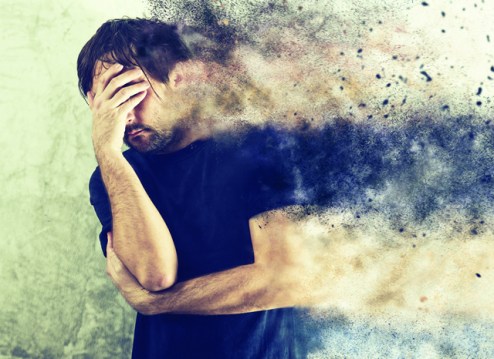
Believe us, crying and other emotional stuff never causes any physical changes in you that strip you of your masculinity in any way! Yes, not crying and pretending to be ever-so-tough would definitely lead to worsening of psychological problems that men might have. The fact is that a large number of men do suffer from clinical depression and yet, don’t acknowledge it. Nor do a majority of men get treated for depression as they find talking about it a taboo. As a result, more men who have depression end up losing their lives to suicide than women do. In this article, we aim at identifying the symptoms that constitute and point towards the possibility of clinical depression among men.

There may be small episodes of sadness and depression in everyone’s life. However, any depression is termed as clinical depression if the symptoms last for two weeks or more. Such a depression may affect one’s work, relationship as well as physical health. Not to say, it may sometimes lead to attempted suicides. Here is a list of symptoms that may indicate depression in men.

  • Men, unlike women, feel an increased aggression and irritable behavior when in depression.
  • Men in depression may sometimes report as feeling anxious or panicky, rather than the sadness reported by women.
  • There may be a loss of interest in work or hobbies including social activity as well as loss of libido.
  • Depression in men may also be associated with a lack in ability to concentrate on things as well as remember things.
  • There may be deficient or excessive appetite as well as sleep. This may be associated with physical manifestations like tiredness, digestive disorders or pains, and aches.
  • There may be thoughts or attempts to commit suicide.

A knowledge of these symptoms may help an individual in identifying the possibility of depression. If someone has even some of these symptoms, we suggest that one should see a mental health specialist or least confide in a close relative or friend who might be able to find one for you and help you in seeking care. Remember that the treatment of depression doesn’t always involve medication. Even if you are prescribed medicine, their benefit will always outweigh the risks that you have in going without medicine.

Always remember that the first step in getting out of depression is to acknowledge that it is there and talking about it to loved ones. If you have it, you are not the only man in the world who has depression. There are many others who have it, and many are becoming better every day with the help of their close ones and friends along with proper treatment.


Manovember!

Dear Readers,

moustache


Many chronic and lifestyle-related diseases have a high predilection towards men [1]. Two of the most common modern epidemics – diabetes and cardiovascular disease have been consistently found to be more common in males than in females[2,3]. On the other hand, silent epidemic of depression in males has been mostly left unacknowledged and often under-diagnosed and untreated [4]. This has led to an increased incidence of suicides among men [5]. On the other hand, many cancers have a higher incidence in males as compared to females [6].

However, traditionally the domain of men’s health has either been left neglected [7] or has been limited to sexually-transmitted disease and malignancies of the prostate. Instead, due to taboos, discussion on men’s health has often been detoured into domains of physical fitness and diet [8]. Popular and commercially available literature fans these prejudices and makes venturing into men’s health issues like depression and suicide even tougher. It has been seen that men rarely if ever talk about their depression, stress and anxiety to even their closest ones. This leads to an increased impact of SAD trio and poorer outcomes. In 2017, the World Health Organization (WHO) gave the slogan – Depression, Let’s talk! in order to improve people’s attitude towards depression and make more people get themselves treated [9, 10].

As November closes in, various public health campaigns on men’s health like Movember and No-shave November have started gathering momentum. Our team at Vivact has picked this opportunity to make November a month on men’s health. Our boys have decided that they would write a blog on men’s health each week – particularly targeting the epidemic of depression among men. We will have a weekly article on this topic for the whole month as a part of our initiative named – Manovember! We invite you to discuss and think of men’s health this month to realize the goal of health for all.

Regards.

Team Vivact!

References:

  1. Sex and gender differences in health. Science & Society Series on Sex and Science. EMBO Rep. 2012;13(7):596-603. Published 2012 Jun 15. doi:10.1038/embor.2012.87
  2. Weidner, Gerdi. Why do men get more heart disease than women? An international perspective. Journal of American College Health6 (2000): 291-294.
  3. Kautzky-Willer A, Harreiter J, Pacini G. Sex and Gender Differences in Risk, Pathophysiology and Complications of Type 2 Diabetes Mellitus. Endocr Rev. 2016;37(3):278-316.
  4. Ogrodniczuk JS, Oliffe JL. Men and depression. Can Fam Physician. 2011;57(2):153-5.
  5. Ogrodniczuk J, Oliffe J, Kuhl D, Gross PA. Men’s mental health: Spaces and places that work for men. Can Fam Physician. 2016;62(6):463-4.
  6. Dorak MT, Karpuzoglu E. Gender differences in cancer susceptibility: an inadequately addressed issue. Front Genet. 2012;3:268. Published 2012 Nov 28. doi:10.3389/fgene.2012.00268
  7. Baker P, Dworkin SL, Tong S, Banks I, Shand T, Yamey G. The men’s health gap: men must be included in the global health equity agenda. Bull World Health Organ. 2014;92(8):618-20.
  8. Men’s Health: What Should We Know?. World J Mens Health. 2015;33(2):45-9.
  9. Chong, Siow Ann, Yee Ming Mok, and Mythily Subramaniam. Depression: Let’s Talk. 2017; 121-123.
  10. Behere PB, Kumar K, Behere AP. Depression: Why to talk?. Indian J Med Res. 2017;145(4):411-413.

Pain at midnight…

I opened the door in a partial slumber. It was a familiar face of the lady next door. She had been my favorite one as a kid…..

MES18_01_3a

I often played with her daughter, and would sometimes have dinner at her home as my mother kept calling for me. I liked what she cooked, and moreover, it was fun! That was long time back! However, tonight her face at the door couldn’t stop me from feeling irritated.

“I couldn’t get your number, and your uncle was in immense pain….” She seemed embarrassed. It was well past midnight, and she had apparently been ringing the doorbell since past 10 minutes or so before my mother answered it.

I quietly picked up my spectacles and slipped off the front gate into the cool night breeze that made me a little less sedated. When I reached him, the very look at his face made the pain obvious. It was just a small tooth in his mouth, and his entire life hung at its mercy at that moment!

He had already taken two doses of ‘Flexon’. It was useless. There was no other painkiller that they had. It was 1am. All the medicine shops or clinics would be closed, and this guy really needed relief! The doctor inside me didn’t know what to do. We were never taught this at the college, but, sometimes our education impacts our thinking so much that we stop thinking like humans. If only we could! As I thought about all the medical procedures that could stop the pain, the lady softly murmured, “I wish I could drive….”

It just struck me, that being a doctor isn’t all you need to cure suffering. Sometimes being human could benefit more. I just rushed back, grabbed my keys and drove to the 24 hours pharmacy at the nearest hospital. On my way back, I had two thoughts in my mind. The first one was that how easy was this! The second one was that what if this were a village and we had nothing around to get the medicine from?

As I handed over the medicine and stayed with him till he was fine again, my mind was preoccupied with the thought of a person in pain at midnight in a village. Though I was able to relieve that pain for him that day, my heart goes out for all those fellow countrymen who have to spend nights in pain because they have nowhere to go. As we relieve individual pain, we sometimes forget that real healthcare will be achieved only when we have pain relief for everyone a stone throw away, even at midnight!

The Second Opinion

‘Trust is like a mirror. Once broken it never joins.’

abcd-trust-model-toolshero-696x348

There we go with a most virulent query in the minds of thousands. Seeking of a second opinion from a doctor.

Seeking a second opinion is a common practice that, in a patient’s perspective, can improve accuracy for a treatment and reduce unnecessary procedures and risks. Almost 88% of the patients are seen going for a second opinion before treatment. This has many advantages and disadvantages. Now let us go into the roots of this thought.

Reasons for seeking a second opinion

It is reasonable to seek multiple opinions for your health. Inevitable discrepancies in the clinical judgment make the second opinions clinically significant and cost-effective due to their potential to reduce the costs of unnecessary expensive and invasive diagnostic & surgical procedures. The second opinion (SO) program was first introduced in the US in 1970’s by the insurance companies. Many countries including India support the SO program. Some like the UK, however, discourage it.

Types of seekers

There are mainly three types of patients who seek a second opinion.

Type 1 are the ones who go for it on their own due to trust issues or being doubtful about the doctor or the procedures that are undertaken.

Type 2 are those which are referred by the physician. It may be due to primary care physician’s doubts about diagnosis and perceived need of an expert advice.

Type 3 is by a suggestion of a third party. It may be friends, relatives or any others. This happens when someone other than the physician expresses a doubt about the treatment.

Advantages & Disadvantages

Many diagnostic discrepancies can be solved by a second opinion. A study in the Journal of Evaluation in Clinical Practise showed that only 12% of the cases under the second opinion confirmed with the original diagnosis made in the first opinion. This clearly shows that when you go for a second opinion 1 out of every 5 people gets a different outcome. This may not only save the cost of treatment, but also the risk of over/ under treatment.

The major disadvantage is that the major stem of these SO seeking mainly comes from mere anxiety and thus it leads to a trend called ‘Doctor shopping’ which can prove to be a real burden for the patients and the systems. This can happen in the absence of a regulated mechanism.


Refresh your thoughts

Get SO’s only done if the symptoms continue to persist,  or if diagnosed with major conditions. Go for it when you feel discomfort with the present doctor you consult.

To conclude

The need of the hour is the new mechanisms that help patients in the complicated process of seeking  SO and provide them with specialists who are able to provide them with better alternatives.

Always keep in mind that we are living in a century where knowledge comes by a single tap at the tip of our fingers. So be smart enough to move in pace with the time and technology and hence become an active part in the healthcare.