
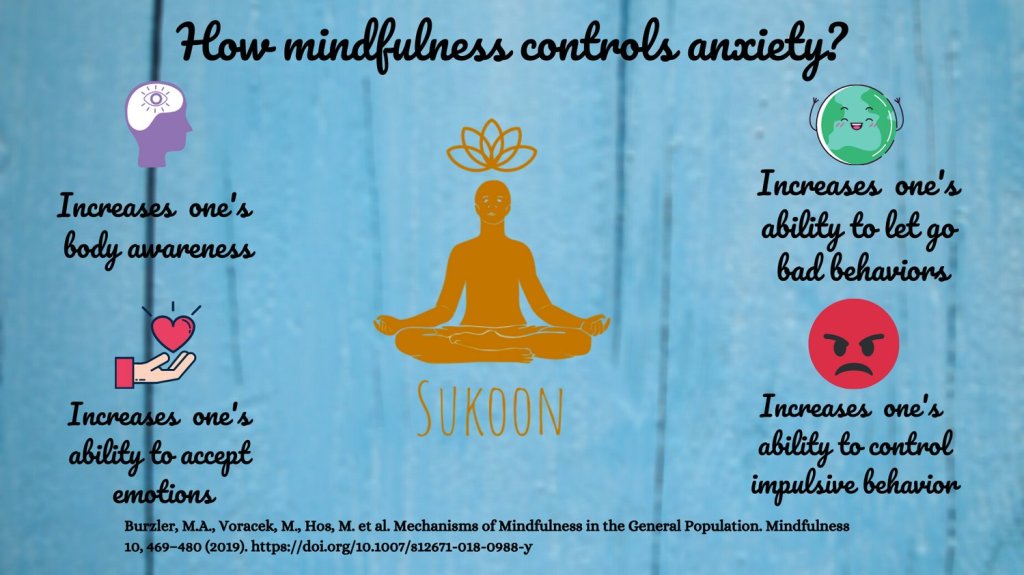
#mindfulness
#mindfulness
The simple act of being thankful can work wonders for your mind!
Scientific studies show the benefit of gratitude for mind and wellness. However, being grateful doesn’t come naturally to most of us, especially for the thing we often neglect. Let us learn and make this a habit.
As I walk down to the parking lot each morning, I see a guard sitting on a chair in the dimly lit basement. I also see an old gentleman walking down each evening when I go on a jog. Seldom did I understand the importance of people who are ‘just there’ in life till the lockdown came. And with it, the time to think that how people and things we neglect often make our life better.
It is not before one walks the insecurity and melancholy of an empty street each evening that one realizes the value of an old gentleman passing through every day. There are many things that impact our mind and body, but we seldom care about them. It was when I started acknowledging the guard and giving him a casual nod that I felt that the guy started responding before I did each day. Now, I had a friend sitting as I passed down the parking lot every morning, rather than a stranger!
Whenever we connect we build relations, and building relations makes us happier! However, the best out of these connects is the one of gratitude. The one where we see that what we have obtained rather than what we have given. The benefits of gratitude, or an acknowledgement of what we have obtained improves a sense of connect with our surroundings – not only people, but also the events and situations and see them in a positive light. However, the practice of gratitude is often elusive in the beginning. Once learnt and internalized it is equally gratifying and refreshing. In our future posts we will touch on how gratitude helps and how to practice it.
The word itself scares us. This has been the most common cause of death in areas related to farming and other outside works. Now let’s see what makes the core of this. A snakebite is defined as an injury caused by the bite of a snake especially that of a venomous snake. This can sometimes be fatal and at other times it can be cured too.
Complications & Symptoms
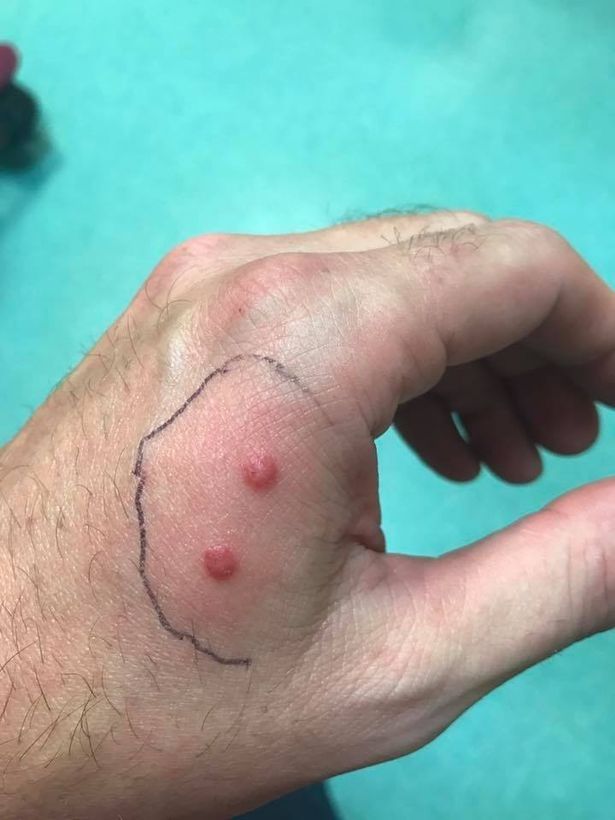
The most common symptom of a snake bite is the presence of two puncture wounds from the animal fangs. If by chance the venom gets injected it leads to more changes in the normal body conditions. This includes redness, swelling, severe pain, bleeding, kidney failure, severe allergic reactions, necrosis, breathing problems, amputation, overwhelming fear, nausea, vomiting, diarrhea, vertigo, fainting, tachycardia, cold and clammy skin.
Risk factors
For the ones who work outside especially in the farmlands, forests, construction sites etc there lies a high risk of getting snakebites. Children are more affected than adults because of their small size.
How to prevent ourselves from this??
Protective footwear should be used. Areas inhabited by snakes should not be visited or chosen for anything. Above all these do not try to handle them unless and until you are an expert in it.
Snakes bites can either be to hunt or to prevent. The second turns out to be the most common. The fear of being attacked leads them to bite as self-defense. Never should we panic in such conditions and give them a feeling of getting attacked. Ignoring them rather than reacting with fear and anxiety will turn out to be a better solution.
Use of lights should be recommended for those who take part in camp activities. When in the wilderness, treading heavily will make the grounds vibrate and result in their fleeing off.If not staying silent and motionless will help us face the situation.
First Aid
The injured area should be washed with soap and water. The affected limbs should be kept uplifted and the patient should be immediately taken to a hospital. Tie a cloth just above the wound so as to cut down the blood flow to that area.
Use of Antivenoms
These are injected intravenously into the patient and they act by binding to the venom enzyme site. The injected material depends on the type of snake from which the victim is injured. This is highly effective but at most times the failure of getting the right antivenom leads to further issues. The indispensable part of this is the point to be noted that it also has side effects.
Dear Readers,

Many chronic and lifestyle-related diseases have a high predilection towards men [1]. Two of the most common modern epidemics – diabetes and cardiovascular disease have been consistently found to be more common in males than in females[2,3]. On the other hand, silent epidemic of depression in males has been mostly left unacknowledged and often under-diagnosed and untreated [4]. This has led to an increased incidence of suicides among men [5]. On the other hand, many cancers have a higher incidence in males as compared to females [6].
However, traditionally the domain of men’s health has either been left neglected [7] or has been limited to sexually-transmitted disease and malignancies of the prostate. Instead, due to taboos, discussion on men’s health has often been detoured into domains of physical fitness and diet [8]. Popular and commercially available literature fans these prejudices and makes venturing into men’s health issues like depression and suicide even tougher. It has been seen that men rarely if ever talk about their depression, stress and anxiety to even their closest ones. This leads to an increased impact of SAD trio and poorer outcomes. In 2017, the World Health Organization (WHO) gave the slogan – Depression, Let’s talk! in order to improve people’s attitude towards depression and make more people get themselves treated [9, 10].
As November closes in, various public health campaigns on men’s health like Movember and No-shave November have started gathering momentum. Our team at Vivact has picked this opportunity to make November a month on men’s health. Our boys have decided that they would write a blog on men’s health each week – particularly targeting the epidemic of depression among men. We will have a weekly article on this topic for the whole month as a part of our initiative named – Manovember! We invite you to discuss and think of men’s health this month to realize the goal of health for all.
Regards.
Team Vivact!
References:
I opened the door in a partial slumber. It was a familiar face of the lady next door. She had been my favorite one as a kid…..

I often played with her daughter, and would sometimes have dinner at her home as my mother kept calling for me. I liked what she cooked, and moreover, it was fun! That was long time back! However, tonight her face at the door couldn’t stop me from feeling irritated.
“I couldn’t get your number, and your uncle was in immense pain….” She seemed embarrassed. It was well past midnight, and she had apparently been ringing the doorbell since past 10 minutes or so before my mother answered it.
I quietly picked up my spectacles and slipped off the front gate into the cool night breeze that made me a little less sedated. When I reached him, the very look at his face made the pain obvious. It was just a small tooth in his mouth, and his entire life hung at its mercy at that moment!
He had already taken two doses of ‘Flexon’. It was useless. There was no other painkiller that they had. It was 1am. All the medicine shops or clinics would be closed, and this guy really needed relief! The doctor inside me didn’t know what to do. We were never taught this at the college, but, sometimes our education impacts our thinking so much that we stop thinking like humans. If only we could! As I thought about all the medical procedures that could stop the pain, the lady softly murmured, “I wish I could drive….”
It just struck me, that being a doctor isn’t all you need to cure suffering. Sometimes being human could benefit more. I just rushed back, grabbed my keys and drove to the 24 hours pharmacy at the nearest hospital. On my way back, I had two thoughts in my mind. The first one was that how easy was this! The second one was that what if this were a village and we had nothing around to get the medicine from?
As I handed over the medicine and stayed with him till he was fine again, my mind was preoccupied with the thought of a person in pain at midnight in a village. Though I was able to relieve that pain for him that day, my heart goes out for all those fellow countrymen who have to spend nights in pain because they have nowhere to go. As we relieve individual pain, we sometimes forget that real healthcare will be achieved only when we have pain relief for everyone a stone throw away, even at midnight!
‘Trust is like a mirror. Once broken it never joins.’
There we go with a most virulent query in the minds of thousands. Seeking of a second opinion from a doctor.
Seeking a second opinion is a common practice that, in a patient’s perspective, can improve accuracy for a treatment and reduce unnecessary procedures and risks. Almost 88% of the patients are seen going for a second opinion before treatment. This has many advantages and disadvantages. Now let us go into the roots of this thought.
Reasons for seeking a second opinion
It is reasonable to seek multiple opinions for your health. Inevitable discrepancies in the clinical judgment make the second opinions clinically significant and cost-effective due to their potential to reduce the costs of unnecessary expensive and invasive diagnostic & surgical procedures. The second opinion (SO) program was first introduced in the US in 1970’s by the insurance companies. Many countries including India support the SO program. Some like the UK, however, discourage it.
Types of seekers
There are mainly three types of patients who seek a second opinion.
Type 1 are the ones who go for it on their own due to trust issues or being doubtful about the doctor or the procedures that are undertaken.
Type 2 are those which are referred by the physician. It may be due to primary care physician’s doubts about diagnosis and perceived need of an expert advice.
Type 3 is by a suggestion of a third party. It may be friends, relatives or any others. This happens when someone other than the physician expresses a doubt about the treatment.
Advantages & Disadvantages
Many diagnostic discrepancies can be solved by a second opinion. A study in the Journal of Evaluation in Clinical Practise showed that only 12% of the cases under the second opinion confirmed with the original diagnosis made in the first opinion. This clearly shows that when you go for a second opinion 1 out of every 5 people gets a different outcome. This may not only save the cost of treatment, but also the risk of over/ under treatment.
The major disadvantage is that the major stem of these SO seeking mainly comes from mere anxiety and thus it leads to a trend called ‘Doctor shopping’ which can prove to be a real burden for the patients and the systems. This can happen in the absence of a regulated mechanism.
Refresh your thoughts
Get SO’s only done if the symptoms continue to persist, or if diagnosed with major conditions. Go for it when you feel discomfort with the present doctor you consult.
To conclude
The need of the hour is the new mechanisms that help patients in the complicated process of seeking SO and provide them with specialists who are able to provide them with better alternatives.
Always keep in mind that we are living in a century where knowledge comes by a single tap at the tip of our fingers. So be smart enough to move in pace with the time and technology and hence become an active part in the healthcare.
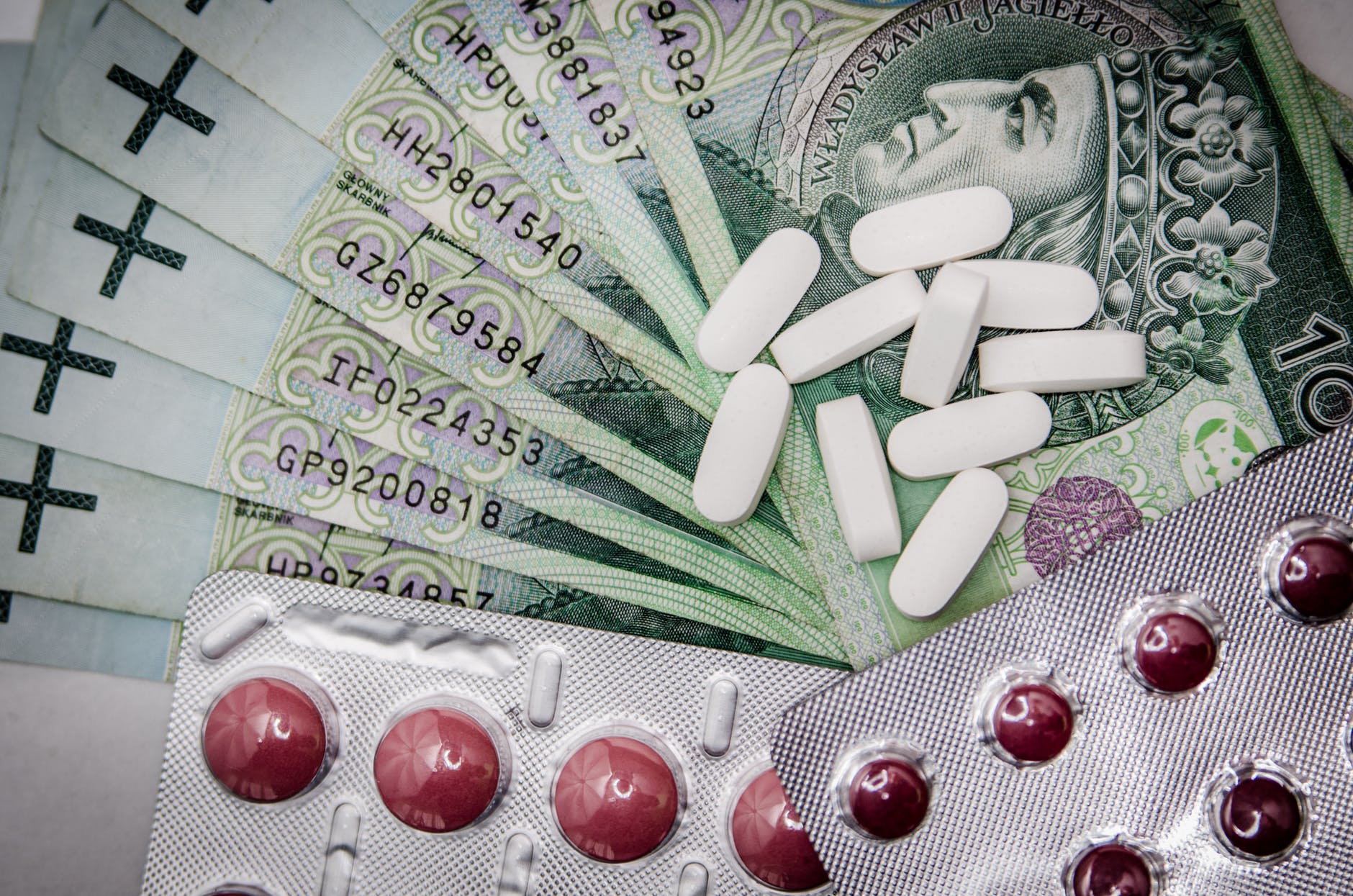
For even the little things can empty your pockets
When I started writing today, I was reminded of an old idiom – “Sometimes all that you need is a handful”. In this world of give and take, whatever you need comes at a cost. At least, it is true for modern healthcare in India. In our nation, sometimes an empty pocket can cost a life!
For a culture that acknowledges health as wealth, it is ironical that real wealth is destroyed because of the lack of money that should be spent on treatment. A visit to a hospital will easily unveil the current scenario of hospitals and healthcare facilities in our society. Many people are denied treatment just due to lack of money.
Lack of effective healthcare payment plans in India translates into a gross negligence of healthcare, even in well to do people. Things are even worse in the lower financial strata. Without a penny to pay even for their basic needs, thousands of people suffer from major illness without getting treated. Lakhs of people lose their lives because of denied treatment. Treatment denied is life denied!
Whereas financial capital is an important prerequisite to the sustainability of healthcare sector as an industry, a solution is required for it to become as much universally accessible as possible. In the current Indian scenario, the treatment of diseases from the common cold to dreadful cancer requires money. For a common man, this money is an important factor that determines one’s future. Many people save this money at the cost of their health. In order to reach its full potential, it is important for the healthcare industry to devise ways to make healthcare more affordable.
The old ways have proven to be full of errors, and yet, new hospitals are being established day by day, turning healthcare into an abode of rat-race where it’s certain that the common man will suffer. Let us make this a food for thought while thinking of healthcare in the future.
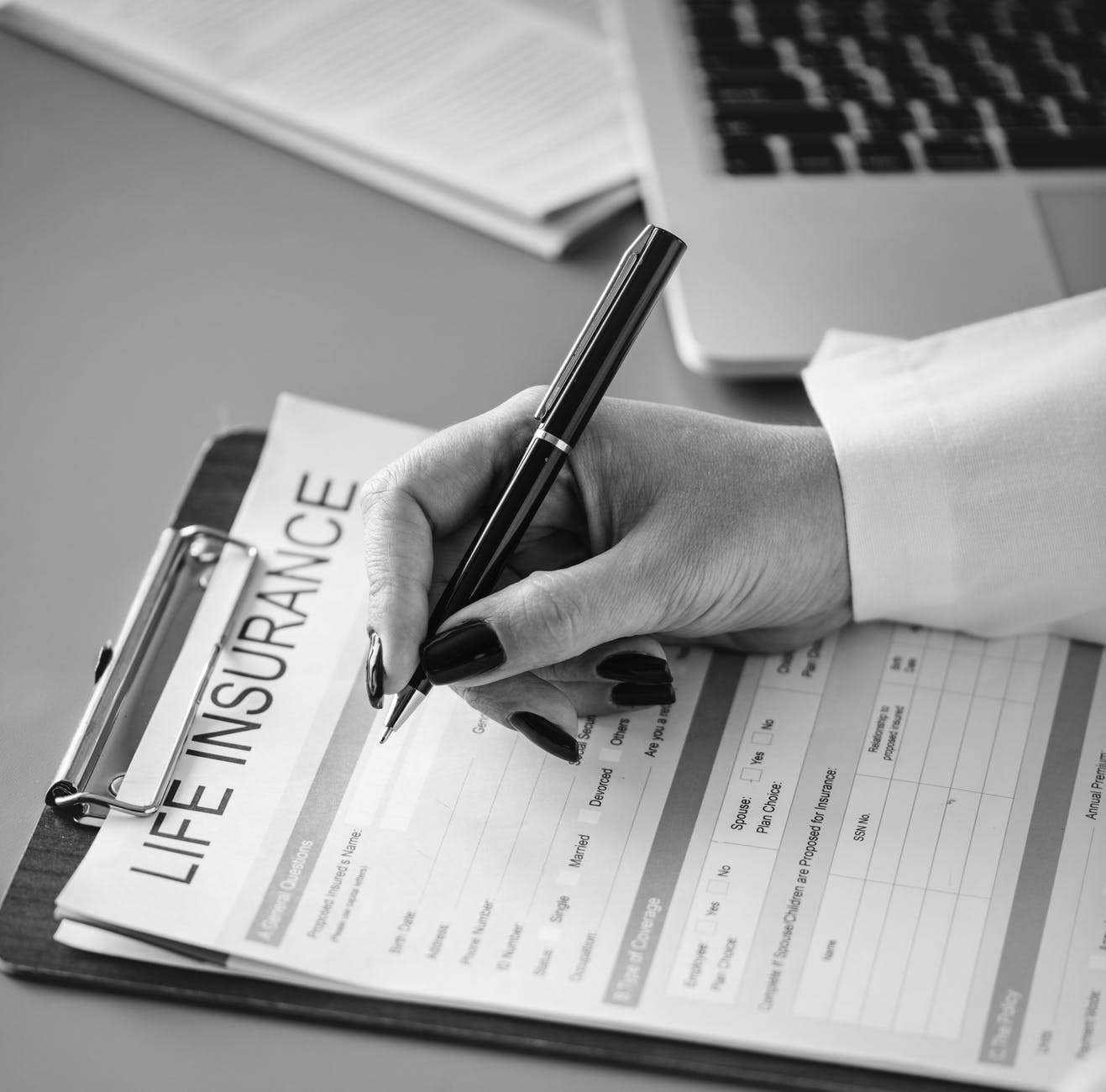
The Insurance Buzzword
As an alternative to the monetary woes of a common man, health insurance policies have been introduced. This has solved the issues up to a certain limit, however, it has still not been able to put the common man on the healthcare path. A major reason is their lack of knowledge. Even though health insurance is in its infancy, and not much is known about health insurance policies, even to many people who might be able to avail it!
A reason for this might be lack of penetration of insurance into the regular small-city ‘nursing-homes’ that make a large chunk of Indian healthcare sector. Moreover, the insurance companies in India are still utilizing the traditional marketing approaches rather than adopting marketing in unison with healthcare providers and other stakeholders in healthcare industry.
A need for change
The issue of fee for service payment model in Indian healthcare is at the core of our health woes. Everyone should be able to avail healthcare facilities. There should not be more sufferers. Adequate knowledge should be provided to the common man and more policies should be introduced to avail the treatments at a much lower cost.
However, more importantly, the healthcare industry should spearhead the change in affordability and profitability of their service. Co-creating policies with the patients and the common-man and collaborating across disciplines of insurance and finance shall hold key to the next wave of cashless healthcare.
No more lives should be lost because of denied treatments. .And no more tears because of empty pockets. Let the world smile. Let us build a happy world with a healthy mind & a healthy body. Let us all contribute to a change in healthcare!
Author: Ananya Chandra.
Dear Readers,
In the summer of 2018, as three guys studying Dentistry and Engineering in India set on a start-up journey to improve healthcare, they talked to patients as a part of their market research initiative. They found that people hardly think and talk about healthcare! Whereas healthcare can lead to a downfall of governments in some nations, it is almost never discussed in India.
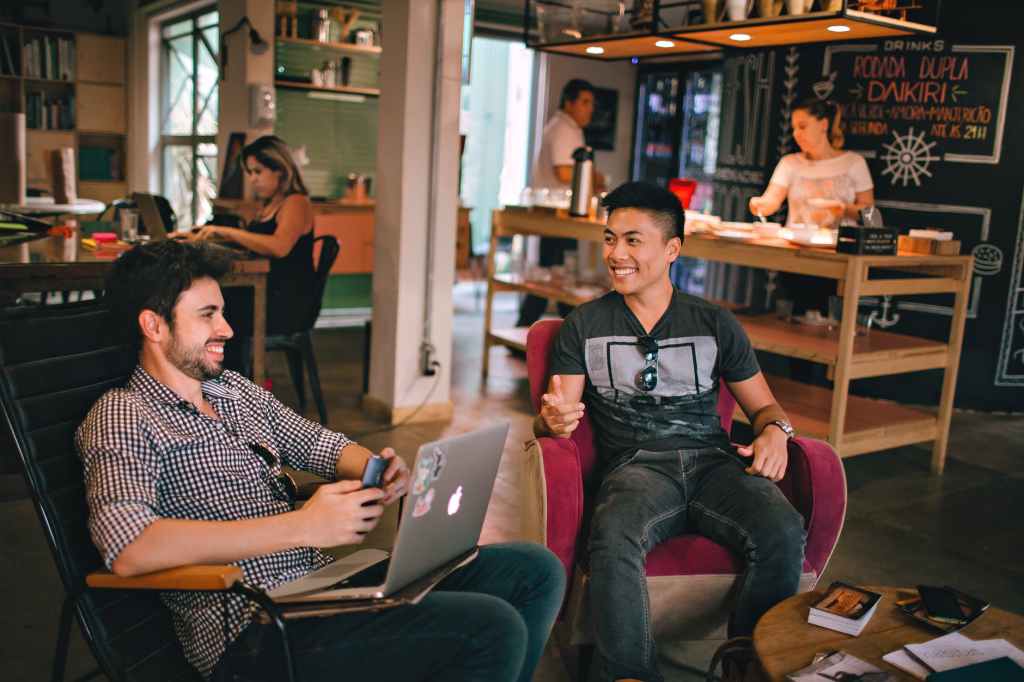
On the sidelines of their start-up journey, they decided that as professionals working in the healthcare domain, it is their responsibility to improve the healthcare environment in India. They sent out a message for people to join in their initiative and five girls from Manav Rachna Dental College responded. Vivact was born!
Vivact is a platform that gives you ideas for thought about health in daily life. It aims to be a platform for the birth of discussion on health care in India. Each week, we will present some simple and short articles written by our team which discuss thought-provoking themes in healthcare. We hope that these are helpful and encourage you all to think, talk and write about improving health and healthcare.
Wishes.
Team Vivact.
Writers: Ananya Chandra, Gunika, Divya Mohan, Aarushi Jain, Aditi Jain. (Dental Students)
Entrepreneurs: Sunash Malik (Dental Student), Yash Kaushik (Engineering Student), Vaibhav Dagar (Engineering Student).
Mentor: Dr. Ankur Sharma (Faculty – Dental)
 Vivact - Talking Healthcare