Snakebite

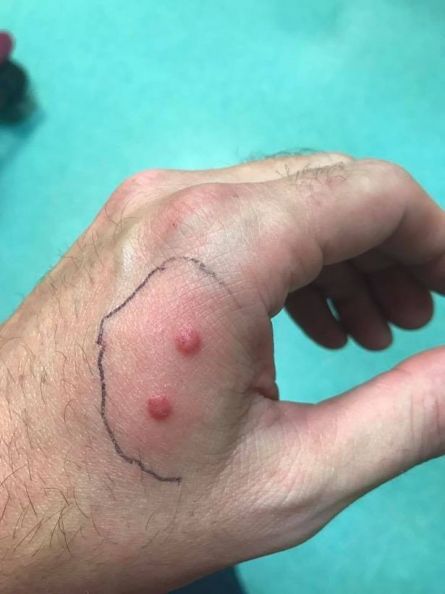
It-felt-like-my-hand-was-on-fire-snakebite-turned-dads-hand-purple-after-he-found-15-serpents-in.jpg

The word itself scares us. This has been the most common cause of death in areas related to farming and other outside works. Now let’s see what makes the core of this. A snakebite is defined as an injury caused by the bite of a snake especially that of a venomous snake. This can sometimes be fatal and at other times it can be cured too.

Complications & Symptoms

The most common symptom of a snake bite is the presence of two puncture wounds from the animal fangs. If by chance the venom gets injected it leads to more changes in the normal body conditions. This includes redness, swelling, severe pain, bleeding, kidney failure, severe allergic reactions, necrosis, breathing problems, amputation, overwhelming fear, nausea, vomiting, diarrhea, vertigo, fainting, tachycardia, cold and clammy skin.

Risk factors

For the ones who work outside especially in the farmlands, forests, construction sites etc there lies a high risk of getting snakebites. Children are more affected than adults because of their small size.

How to prevent ourselves from this??

Protective footwear should be used. Areas inhabited by snakes should not be visited or chosen for anything. Above all these do not try to handle them unless and until you are an expert in it.

Snakes bites can either be to hunt or to prevent. The second turns out to be the most common. The fear of being attacked leads them to bite as self-defense. Never should we panic in such conditions and give them a feeling of getting attacked. Ignoring them rather than reacting with fear and anxiety will turn out to be a better solution.

Use of lights should be recommended for those who take part in camp activities. When in the wilderness, treading heavily will make the grounds vibrate and result in their fleeing off.If not staying silent and motionless will help us face the situation.

First Aid

The injured area should be washed with soap and water. The affected limbs should be kept uplifted and the patient should be immediately taken to a hospital. Tie a cloth just above the wound so as to cut down the blood flow to that area.

Use of Antivenoms

These are injected intravenously into the patient and they act by binding to the venom enzyme site. The injected material depends on the type of snake from which the victim is injured. This is highly effective but at most times the failure of getting the right antivenom leads to further issues. The indispensable part of this is the point to be noted that it also has side effects.



Wearables-A new beginning..

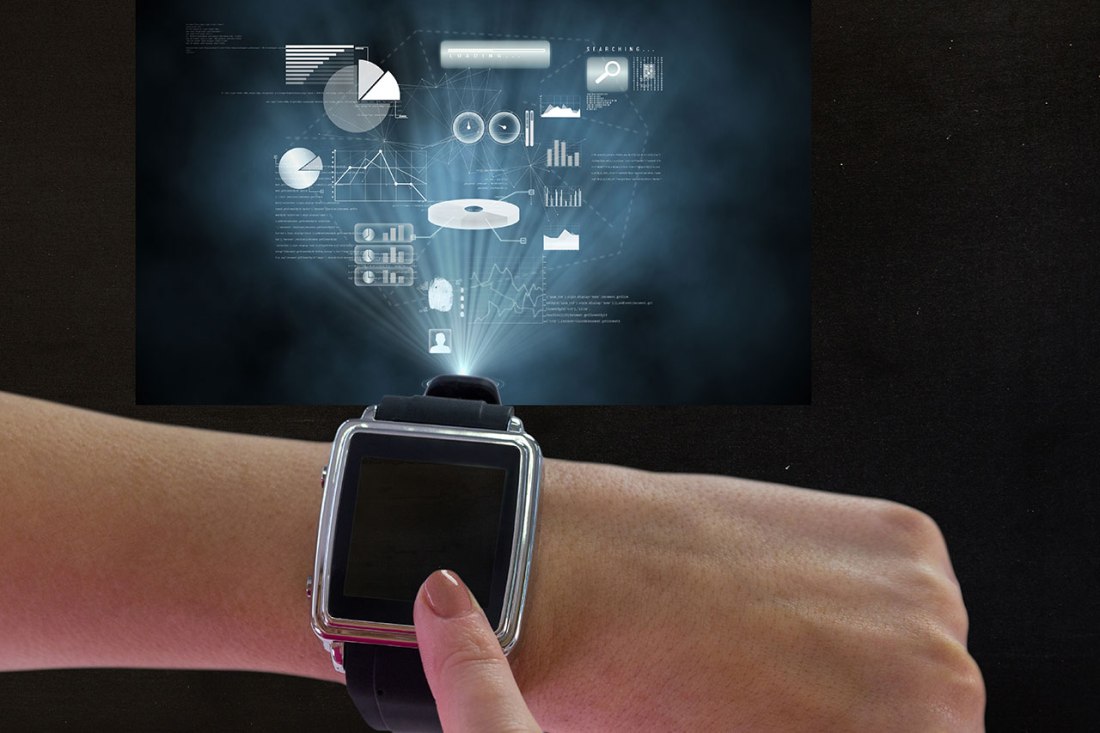
Wearable-technology-in-Fintech.jpg

“The more the technology grows, the easier life becomes”

Day by day the world is changing. The man with his full potential is trying to make every hurdle disappear and bring the best out of the technologies that we have. And latest came the new technological innovation wearables. Many may wonder what this is all about and will be eager to know more about this technology which has turned out to be a much-discussed piece of innovation.

Anything that is worn to detect health or mobile applications and web monitoring to analyze health generally comes under the term wearables. The use of this in clinical practices are increasing day by day.

Wearables are currently growing highly in popularity with the hope of growth to $25 billion by 2019. The devices like Fitbit, jawbone etc have been popular among the public because of their cheap rates and affordability. With the rise of chronic conditions like obesity due to our lifestyles, use of this technology has reached the heights.

What makes it a better option??

The higher compliance rate, reduced dropout rate etc has added its relevance and also provides an additional advantage of reduced hospital visits. More accuracy and accessibility at our fingertips has made it more popular. The greater accuracy and need for a daily analysis rather than clinical visits at certain intervals has made it a better method to rely on.

Many diseases even don’t require the appliances to be worn but just needs a mobile app to detect their health conditions.

Current Scenario

These days the areas which  widely uses this technology are–

1.Congestive Heart Failure

2.Hypertension

3.Diabetes

4.COPD

Above all Parkinson’s Disease attributes to the most successful area till date. This is due to the ability of it to easily measure and analyze the heart rate, function, physical activity and soon glucose levels round the clock.

The devices like glucose monitor and WristOx2 the pulse oximeter are best models that define how progressed the field has turned.

Challenges faced

Many corporate companies are just at the infant stage of this innovative development. More focus is required in its development and progress can only occur if work is done in the core bringing it to mainstream rather than as a side function.

The device size, weight, water resistance, durability, and comfort are to be essentially considered because every time the patient takes it off, there is a chance that they don’t put it back on. The processes for validating the digital biomarkers should be done with utmost care.

To conclude

The higher success rates of this technology are something to be noted. The progress of this technology which now provides a better choice of analysis for a multitude of diseases is appreciable. This area has a very high potential for development. In this era where technological innovations and growth is at its peak, it’s sure to see progress in this. Although it has it’s own disadvantages and limitations with time and technology all those can be overcome. And within the next decade, this will become the best invention ever.

Written by Ananya Chandra,

 BDS II year,

Manav Rachna Dental College


End of life care: Death is equally important

souls.jpg

“Death is not a simple end, it’s the victorious full stopping of a journey well spent..”

Health is wealth. And taking care of it starts the day when the fetus starts developing, from a zygote till an old man we pay full attention for our health. Then why not at the end where the journey successfully stops? This is a query that is to be much thought of. And there comes the importance of care of end life. Try to understand death is equally important as life.

The old picture

From the very early times, people have been treated well throughout their life for maintaining good health. But when it comes to the conclusion many are abandoned, not taken care of and considered useless. Nobody tries to understand their feelings. Even hospitals and families are not bothered about them. Neither could someone understand the condition they face nor could they comfort them.

The Changing Scenario

A new beginning was marked by introducing the end of life care policy. This attributes to the attainment of peace at the time of death. This includes not only the dying member but takes into consideration the feelings and conditions of his /her family.

The National Health Services now makes sure that the dying patient gets mental relief and not gets stressed up by fear of what’s next. Many NGO’s and other organizations have come up with this plan. Many charities have proved to be the best too.

Who takes up the responsibility?

This new attempt includes health care professionals, nurses, health assistants etc working together for ensuring a peaceful environment for the end of life care. The family member and the patients themselves are also an important part of this care.

Marie Curie-The perfect model

This is a most suitable example of a charity organization that works at peoples’ homes and communities along with families to make sure that people at the end of their life are supported to be cared for and die in the place of their choice. Not only this, but many others have also come forward with the same conceptual ideas.

A place to die

The place of death is equally important as other choices. People at the verge of death mostly prefer to stay at home because of their innate wish to die at their most blessed place. While almost 58% prefer to die at the hospital because of their belief that it is the safest place. Even when death is expected, medicines and treatment have been discontinued, and the hospitals have nothing left to do, still then the patient prefers to stay there.

What challenges the situation?

The lack of communicative and handling skills, skilled professionals and experienced hands is an indispensable challenge.

What’s Next?

People should be given awareness, more people should be trained and must be taught to handle these conditions. The focus should be given both on handling the patients’ feelings as well as their families.

Always remember life is the most beautiful creation whose beginning and end both proposes an art…..

Written by Ananya Chandra,

 BDS II year,

Manav Rachna Dental College


Men Don’t Cry

Of course, they do! Cristiano Ronaldo and Neymar cried on the pitch in 2018, for instance. Whether that made them lesser of men or not is debatable only in a congregation of fools.

7096efcf57f1ce710c3b95ac48d2164c.jpg

Believe us, crying and other emotional stuff never causes any physical changes in you that strip you of your masculinity in any way! Yes, not crying and pretending to be ever-so-tough would definitely lead to worsening of psychological problems that men might have. The fact is that a large number of men do suffer from clinical depression and yet, don’t acknowledge it. Nor do a majority of men get treated for depression as they find talking about it a taboo. As a result, more men who have depression end up losing their lives to suicide than women do. In this article, we aim at identifying the symptoms that constitute and point towards the possibility of clinical depression among men.

There may be small episodes of sadness and depression in everyone’s life. However, any depression is termed as clinical depression if the symptoms last for two weeks or more. Such a depression may affect one’s work, relationship as well as physical health. Not to say, it may sometimes lead to attempted suicides. Here is a list of symptoms that may indicate depression in men.

  • Men, unlike women, feel an increased aggression and irritable behavior when in depression.
  • Men in depression may sometimes report as feeling anxious or panicky, rather than the sadness reported by women.
  • There may be a loss of interest in work or hobbies including social activity as well as loss of libido.
  • Depression in men may also be associated with a lack in ability to concentrate on things as well as remember things.
  • There may be deficient or excessive appetite as well as sleep. This may be associated with physical manifestations like tiredness, digestive disorders or pains, and aches.
  • There may be thoughts or attempts to commit suicide.

A knowledge of these symptoms may help an individual in identifying the possibility of depression. If someone has even some of these symptoms, we suggest that one should see a mental health specialist or least confide in a close relative or friend who might be able to find one for you and help you in seeking care. Remember that the treatment of depression doesn’t always involve medication. Even if you are prescribed medicine, their benefit will always outweigh the risks that you have in going without medicine.

Always remember that the first step in getting out of depression is to acknowledge that it is there and talking about it to loved ones. If you have it, you are not the only man in the world who has depression. There are many others who have it, and many are becoming better every day with the help of their close ones and friends along with proper treatment.


The C-Section

Caesarian section also called the C-SECTION or otherwise simply the cut from the womb is the use of surgery to deliver babies. It is especially important when a normal vaginal delivery would turn fatal to the baby or the mother.

15-human-foetus-in-the-womb-artwork-jellyfish-pictures

The need for C-Section

Reasons for surgical delivery includes obstructed labor, twin pregnancy, high blood pressure in the mother or problems related to the umbilical cord. Sometimes, the shape of the mother’s pelvis or a history of previous C-section necessitates performance of C-section. At the other times, it may be performed on request by someone, usually the mother.

Main issues that necessitate C-section are listed as follows:

  • Placental issues (Placental abruption, placenta praevia etc)
  • Failure to induce labor.
  • A condition of macrosomia (baby weighing more than 4000grams)
  • Abnormalities of umbilical cord
  • Previous medical history
  • HIV infection of mother with a high viral load.
  • STDs, which can cause infection in baby if born vaginally.
  • Hypertension in mother or baby.
  • Uterine rupture or an elevated risk.
  • Prolonged labor or failure to progress(dystopia)
  • Infertility
  • Chronic pelvic pain
  • Small bowel obstructions

Adverse outcomes

Adverse outcomes in the low-risk pregnancies occur in 9.2% of C-section. The post-operative adhesions will lead to further health issues in the near future. Added to this are the most common incisional hernias which later require surgical corrections. The wound may also get infected and further lead to more complications.

If performed in an emergency, the risk of surgery may be increased due to a number of factors. The patient’s stomach may not be empty and thus the risk of anesthesia increases. Severe blood loss may end up in the requirement of blood transfusion and post dural puncture spinal headaches.

Moreover above all these is the high chance of hysterectomies(removal of the uterus) being done. Increased incidence of postnatal depression and psychological trauma in mothers is also a fatal outcome.

The next baby

Delivery of the next child after the previous section of the cut womb can either be by the vaginal method or the elective repetition method. But this has to be taken care of because of the high risk of problems occurring in the vaginal method.

Prevention better than cure

Its always better to prevent than later searching for a cure. The things that should be done to prevent these kinds of conditions are simple enough that they can be well followed.

  • The pregnant ladies should be advised for appropriate exercising under somebody’s guidance. The lady should be healthy enough by the time of parturition.
  • Counseling sessions should be provided to the ladies who prefer for this mode rather than the normal delivery.
  • Women should be given the proper idea of what they will have to face and they should be given confidence.
  • More than everything this section should not be adopted unless there is a non-avoidable reason.

The pain now will give you a great gain for tomorrow.

The Doctor is busy!

“Lesser the time invested, greater the discrepancies..”

doctoring-clipart-ear-doctor-4

Here! Back again with a food for thought. Now, let us begin with a statement which seems a little funny and deeply thoughtful at the same time – ‘The Doctor is Busy!’

A relatively recent study published in the British Medical Journal revealed that the doctors in India see patients for an average of mere two minutes! Doesn’t that seem to leave us wondering about the quality of healthcare we receive? Anyhow, this seems to be comparatively ok in a world where the time is considerably much variant all across the globe. Many like Bangladesh provides 48 seconds while some like Sweden gives 22.5 minutes for primary consultations.

The focus of thought today on is how it affects the large population and what it’s impact can be in the field of health sciences.

What lies behind??

Now let’s get into the core of this thought. The reasons behind the current two-minute system.

  • More patients and fewer doctors: Many a time the doctors seem to have more they can comfortably see. Thus they are forced to limit the time spent on a single one. This seems to be a common cause.
  • Unequal patient distribution: Whereas some provider facilities are overburdened, others seem to be working way below their capacity. This leads to a difference in the time provided by the doctors to the patients. For example, the lone nursing center in a big village might have more patients than a practice in the city that is surrounded by four other practices.


  • Bottlenecks in patient flow:  More often than not, the hospital management systems fail to manage patient flow. Thus creating bottlenecks and lines that move slowly. Therefore even when the number of doctors and patient distribution is correct, the time wasted in the process is so much that it leaves little actual time between the doctor and the patient.


Risk factors

The result of all these is that ultimately the patient and the healthcare as a whole suffers. The shorter consultation times have been linked to the poorer health outcomes for patients and a heightened risk of burnout for doctors, the research journal revealed. Shorter consultation time has lead to multiple drugs prescribed to the patient (polypharmacy), overuse of antibiotics etc.

The unheard grievance

Above all these is the real unheard cry. A patient cannot be cured just with medicine. The disease is not only the ill condition of the body, but it is also an indicator of our mental state too. Along with our physical condition, our mind needs a cure too. This is achieved by the power of a doctor and the power of his words. A two-minute conversation won’t suffice for this! The two minutes of which we are barely speaking can only include a mechanical talk   and not that of a friendly interaction.

What next??

The current process and flow systems should change. More time should be invested in interacting with patients, and those talks should turn out to be qualitative and relieving for the patient. The patient should be able to convey his pain, intensity of it and above all the way he feels.

Remember only  little can be achieved in less than 5 minutes, unless focus is largely on detection and management of the gross disease. Always keep in a mind, more than medicines or anything else it’s the love and friendly care of the doctor that turns out to be the best cure.