
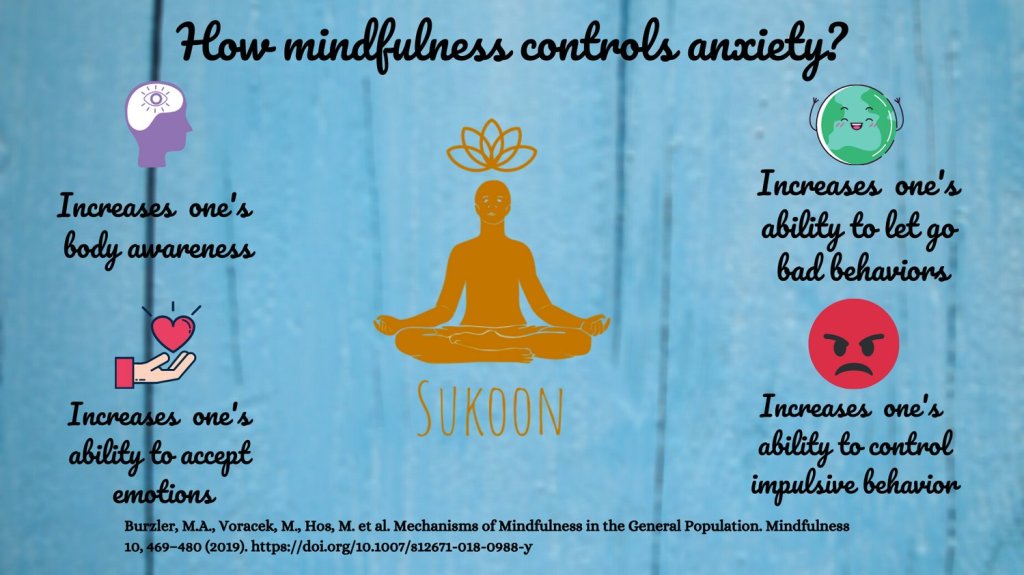
#mindfulness
#mindfulness
The simple act of being thankful can work wonders for your mind!
Scientific studies show the benefit of gratitude for mind and wellness. However, being grateful doesn’t come naturally to most of us, especially for the thing we often neglect. Let us learn and make this a habit.
As I walk down to the parking lot each morning, I see a guard sitting on a chair in the dimly lit basement. I also see an old gentleman walking down each evening when I go on a jog. Seldom did I understand the importance of people who are ‘just there’ in life till the lockdown came. And with it, the time to think that how people and things we neglect often make our life better.
It is not before one walks the insecurity and melancholy of an empty street each evening that one realizes the value of an old gentleman passing through every day. There are many things that impact our mind and body, but we seldom care about them. It was when I started acknowledging the guard and giving him a casual nod that I felt that the guy started responding before I did each day. Now, I had a friend sitting as I passed down the parking lot every morning, rather than a stranger!
Whenever we connect we build relations, and building relations makes us happier! However, the best out of these connects is the one of gratitude. The one where we see that what we have obtained rather than what we have given. The benefits of gratitude, or an acknowledgement of what we have obtained improves a sense of connect with our surroundings – not only people, but also the events and situations and see them in a positive light. However, the practice of gratitude is often elusive in the beginning. Once learnt and internalized it is equally gratifying and refreshing. In our future posts we will touch on how gratitude helps and how to practice it.
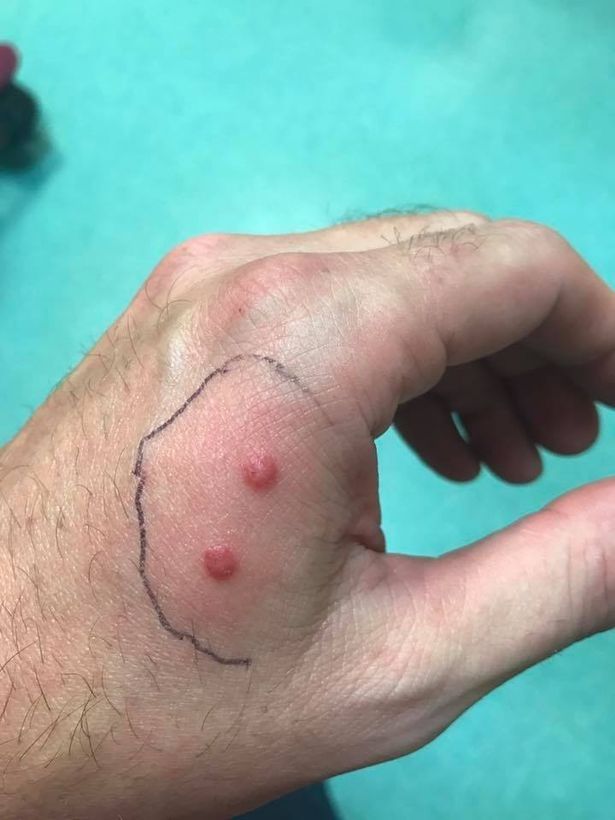
The word itself scares us. This has been the most common cause of death in areas related to farming and other outside works. Now let’s see what makes the core of this. A snakebite is defined as an injury caused by the bite of a snake especially that of a venomous snake. This can sometimes be fatal and at other times it can be cured too.
Complications & Symptoms
The most common symptom of a snake bite is the presence of two puncture wounds from the animal fangs. If by chance the venom gets injected it leads to more changes in the normal body conditions. This includes redness, swelling, severe pain, bleeding, kidney failure, severe allergic reactions, necrosis, breathing problems, amputation, overwhelming fear, nausea, vomiting, diarrhea, vertigo, fainting, tachycardia, cold and clammy skin.
Risk factors
For the ones who work outside especially in the farmlands, forests, construction sites etc there lies a high risk of getting snakebites. Children are more affected than adults because of their small size.
How to prevent ourselves from this??
Protective footwear should be used. Areas inhabited by snakes should not be visited or chosen for anything. Above all these do not try to handle them unless and until you are an expert in it.
Snakes bites can either be to hunt or to prevent. The second turns out to be the most common. The fear of being attacked leads them to bite as self-defense. Never should we panic in such conditions and give them a feeling of getting attacked. Ignoring them rather than reacting with fear and anxiety will turn out to be a better solution.
Use of lights should be recommended for those who take part in camp activities. When in the wilderness, treading heavily will make the grounds vibrate and result in their fleeing off.If not staying silent and motionless will help us face the situation.
First Aid
The injured area should be washed with soap and water. The affected limbs should be kept uplifted and the patient should be immediately taken to a hospital. Tie a cloth just above the wound so as to cut down the blood flow to that area.
Use of Antivenoms
These are injected intravenously into the patient and they act by binding to the venom enzyme site. The injected material depends on the type of snake from which the victim is injured. This is highly effective but at most times the failure of getting the right antivenom leads to further issues. The indispensable part of this is the point to be noted that it also has side effects.
“The more the technology grows, the easier life becomes”
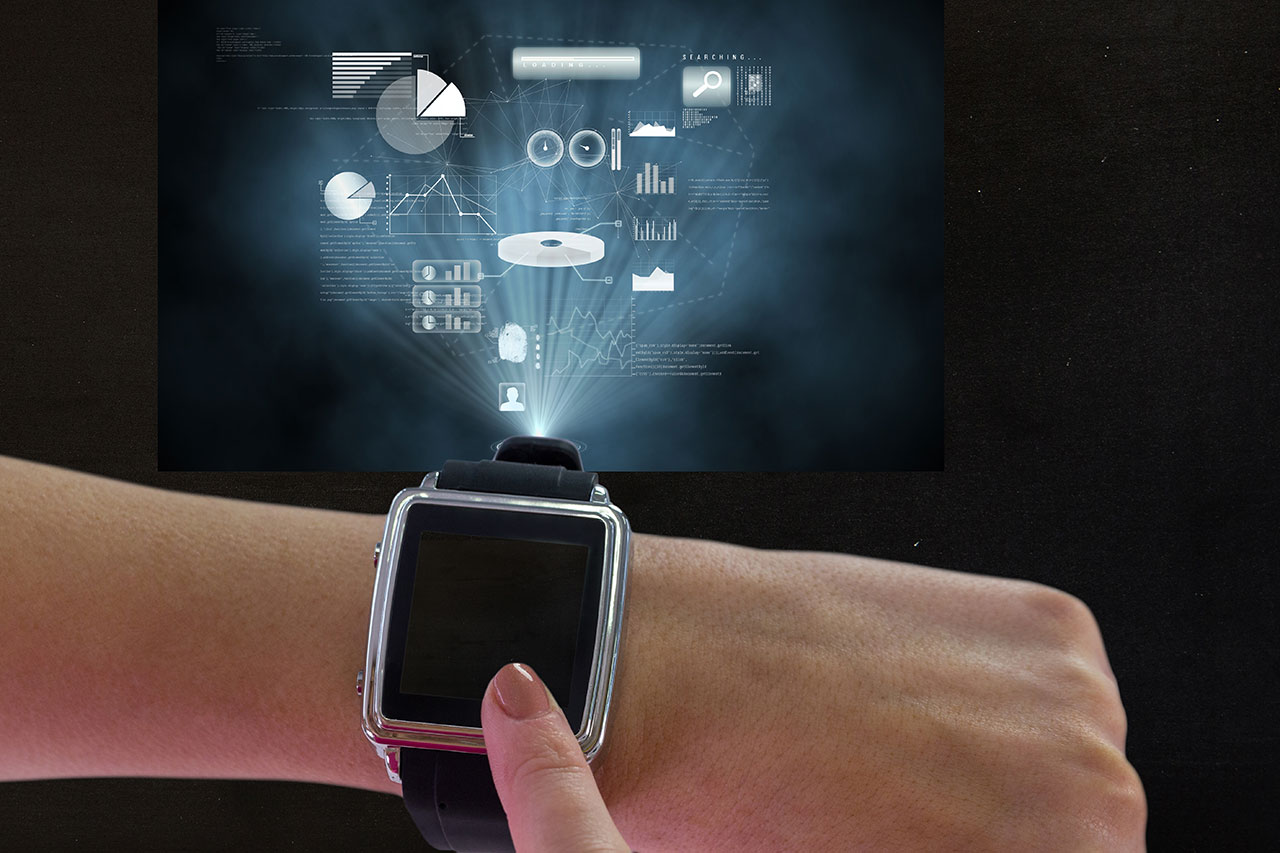
Day by day the world is changing. The man with his full potential is trying to make every hurdle disappear and bring the best out of the technologies that we have. And latest came the new technological innovation wearables. Many may wonder what this is all about and will be eager to know more about this technology which has turned out to be a much-discussed piece of innovation.
Anything that is worn to detect health or mobile applications and web monitoring to analyze health generally comes under the term wearables. The use of this in clinical practices are increasing day by day.
Wearables are currently growing highly in popularity with the hope of growth to $25 billion by 2019. The devices like Fitbit, jawbone etc have been popular among the public because of their cheap rates and affordability. With the rise of chronic conditions like obesity due to our lifestyles, use of this technology has reached the heights.
What makes it a better option??
The higher compliance rate, reduced dropout rate etc has added its relevance and also provides an additional advantage of reduced hospital visits. More accuracy and accessibility at our fingertips has made it more popular. The greater accuracy and need for a daily analysis rather than clinical visits at certain intervals has made it a better method to rely on.
Many diseases even don’t require the appliances to be worn but just needs a mobile app to detect their health conditions.
Current Scenario
These days the areas which widely uses this technology are–
1.Congestive Heart Failure
2.Hypertension
3.Diabetes
4.COPD
Above all Parkinson’s Disease attributes to the most successful area till date. This is due to the ability of it to easily measure and analyze the heart rate, function, physical activity and soon glucose levels round the clock.
The devices like glucose monitor and WristOx2 the pulse oximeter are best models that define how progressed the field has turned.
Challenges faced
Many corporate companies are just at the infant stage of this innovative development. More focus is required in its development and progress can only occur if work is done in the core bringing it to mainstream rather than as a side function.
The device size, weight, water resistance, durability, and comfort are to be essentially considered because every time the patient takes it off, there is a chance that they don’t put it back on. The processes for validating the digital biomarkers should be done with utmost care.
To conclude
The higher success rates of this technology are something to be noted. The progress of this technology which now provides a better choice of analysis for a multitude of diseases is appreciable. This area has a very high potential for development. In this era where technological innovations and growth is at its peak, it’s sure to see progress in this. Although it has it’s own disadvantages and limitations with time and technology all those can be overcome. And within the next decade, this will become the best invention ever.
Written by Ananya Chandra,
BDS II year,
Manav Rachna Dental College

“Death is not a simple end, it’s the victorious full stopping of a journey well spent..”
Health is wealth. And taking care of it starts the day when the fetus starts developing, from a zygote till an old man we pay full attention for our health. Then why not at the end where the journey successfully stops? This is a query that is to be much thought of. And there comes the importance of care of end life. Try to understand death is equally important as life.
The old picture
From the very early times, people have been treated well throughout their life for maintaining good health. But when it comes to the conclusion many are abandoned, not taken care of and considered useless. Nobody tries to understand their feelings. Even hospitals and families are not bothered about them. Neither could someone understand the condition they face nor could they comfort them.
The Changing Scenario
A new beginning was marked by introducing the end of life care policy. This attributes to the attainment of peace at the time of death. This includes not only the dying member but takes into consideration the feelings and conditions of his /her family.
The National Health Services now makes sure that the dying patient gets mental relief and not gets stressed up by fear of what’s next. Many NGO’s and other organizations have come up with this plan. Many charities have proved to be the best too.
Who takes up the responsibility?
This new attempt includes health care professionals, nurses, health assistants etc working together for ensuring a peaceful environment for the end of life care. The family member and the patients themselves are also an important part of this care.
Marie Curie-The perfect model
This is a most suitable example of a charity organization that works at peoples’ homes and communities along with families to make sure that people at the end of their life are supported to be cared for and die in the place of their choice. Not only this, but many others have also come forward with the same conceptual ideas.
A place to die
The place of death is equally important as other choices. People at the verge of death mostly prefer to stay at home because of their innate wish to die at their most blessed place. While almost 58% prefer to die at the hospital because of their belief that it is the safest place. Even when death is expected, medicines and treatment have been discontinued, and the hospitals have nothing left to do, still then the patient prefers to stay there.
What challenges the situation?
The lack of communicative and handling skills, skilled professionals and experienced hands is an indispensable challenge.
What’s Next?
People should be given awareness, more people should be trained and must be taught to handle these conditions. The focus should be given both on handling the patients’ feelings as well as their families.
Always remember life is the most beautiful creation whose beginning and end both proposes an art…..
Written by Ananya Chandra,
BDS II year,
Manav Rachna Dental College
Spiritual practices play an important role in men’s health. It may well be said that next time you see a man in the temple, it is likely that he is healthier than the one who never believed!

As a conclusion to the men’s health month, I chose to probe into the spiritual dimension of men’s health. This was partly due to my own curiosity in the field, and partly due to the neglect (or rather contempt) towards the spiritual dimension of health and wellness. Role of spirituality in health, healthcare, and wellness is often understated and misunderstood [1, 2, 3]. This is more so in men, as men are often perceived to be less spiritual as compared to women, even though this distinction may be more obscure in the east than in western countries.
An overarching body of evidence supports the positive role of spirituality in various health issues concerning men. This may not be limited to psychological health as popularly perceived, but also in physical health and disease [4]. Healthy practices associated with religion and spirituality such as discipline and yoga may be associated with some of the health-related outcomes. On the other hand, the social impact of religious and spiritual groups in health-related behaviors may also impact health outcomes.
Jaberi et al (2017) have defined the spiritual dimension of health as having three categories, namely, antecedents, attributes, and outcomes. In simple language, this would mean that the spiritual health of a person may be defined as constituting certain characteristics which are termed as attributes. These are the ability to think beyond physical self, understanding of meaning and purpose of life, interconnectedness among individuals and life, faithfulness, the power of integrating, multidimensionality and the concept of a human being as a holistic entity. These characteristics arise from the ability to look as oneself beyond a physical entity and spiritual awareness [5].
Garfield et al (2014) have attributed the effect of religiosity and spiritualism in health-related outcomes for men to two pathways. The first pathway is by buffering against effects of illness. This may come by health habits. As an example, worsening of depression may be mitigated in religious men as they often keep away from alcohol and tobacco etc, that may cause worsening of depression. Similarly, spiritual men are known to adhere to the medication regimen and are known to cope with illness related stress better. The second pathway is through the prevention of disease by following a healthy lifestyle, improved knowledge of health and wellness and increased resiliency [6].
Linkages between substance abuse, especially alcohol abuse and effect of spirituality in preventing and controlling substance abuse have been studied in various researches [6, 7, 8, 9, 10]. The effect of religion/ spirituality may be seen across ethnicities and geographical locations. Spirituality is also associated with reduced suicidal tendencies linked with substance abuse, as well as the prevention of relapse.
Spirituality has also been positively associated with increased physical activity [11] and therefore health promotion and prevention of various chronic diseases. Its effect in improved outcomes for various chronic diseases through various mechanisms such as better coping and compliance with prevention protocols have been documented in previous researches. Effect of spirituality in various chronic diseases such as type 2 diabetes [12], heart disease [13], rheumatoid arthritis [14], cancer [15] and other chronic diseases [16] has also been established.
Additionally, the role of spiritual practices such as meditation and mindfulness is well known to be associated with good psychological health. Its role in coping with depressive states is also well known. Overall spiritual states are associated with reduced stress and improved coping behavior.
Even though there is an increasing evidence to support the positive role of religion and spirituality in health promotion and positive health along with disease prevention and control; there are still some religious practices in various religions that may prove to be associated with health hazards. These practices should be avoided. Overall, spiritual practices play an important role in men’s health. It may well be said that next time you see a man in the temple, it is likely that he is healthier than the one who never believed!
References
written by,
Dr. Ankur Sharma
There is actually a disease called NOMOPHOBIA (no more mobile phone phobia) which I think most of us suffer from. We just can’t resist our mobile phones. It’s just like any other addiction, rather worse to be honest.
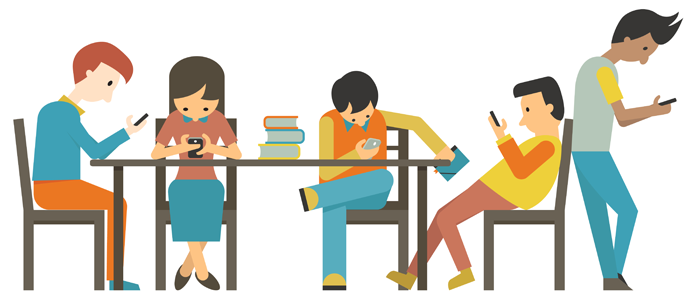
Nowadays I see people just roaming around with their heads down to a screen, ears closed with headsets and just expressing their heart out in chats. The sad truth is, technology advancements are making us so much dependent that we are unable to use our brains. we humans are meant to be calm, intelligent, social beings but technology has made us worst than ever before. I think it’s not the tech we should blame, it’s us. We are letting the tech innovators do it on us. I agree it has to lead to ease in our lives but with many negative effects which we can shut it down if we want.
There is literally a disease called NOMOPHOBIA (no more mobile phone phobia) which I think most of us suffer from. We just can’t resist our mobile phones. It’s just like any other addiction, rather worse to be honest.
Remember those days when we could do all the simple calculations in our heads, remember all the phone numbers, maintain a diary, gave more importance to our surroundings. and see now, for very minor calculations we use a calculator, Unable to remember our emergency numbers.
We are all now addicted to this piece of technology, and when I see parents or anyone just taking one’s phone for just some moments we are able to see withdrawal symptoms like anger, Restlessness, irritability. Most importantly the never fulfilling desire, spending more and more on buying new mobile phones just to show everyone and not even use it’s 10% potential.
I am being honest! how many of us just buy phones just because its more attractive and people will appreciate or be jealous? It’s Trending now and smartphone companies share a great market now. Its good to have the latest technology devices but only if it is required.
This piece of device is misused, especially by teens and young adults. They just get addicted to mobile phones very easily. Always occupied in mobiles, active on social media, watching porn, chatting unnecessarily, unlocking without any reason, occupied in camera with numerous filters and what not. It is a great time killer and hence they don’t find any time for themselves, family and most importantly their work. It is the age where your mind thinks out of the box but they just keep it occupied with the lethal box of technology.
Mobile Phone addiction is worse. They are always occupied in phones not realizing what’s happening around them. It is really altering our brains. According to Price, when we read digital media, the cluttered landscape of links and ads and the short bursts of attention that are required by scrolling and swiping and tweeting result in a contradiction in terms: “a highly focused state of distraction.” Even though this distraction is short-lived, however, its frequency causes its effect to be expressed on our mind, body, and health in a longer term. It brings about a long-lasting change in our brains.
Am I Addicted to my Smartphone?
This self-assessment is not meant to officially diagnose you with cell phone addiction. If you are concerned about your problematic behaviors, speak to your doctor or mental health professional about possible treatment. (https://www.psychguides.com/guides/signs-and-symptoms-of-cell-phone-addiction/)
By Sunansh Malik
I see a future where healthcare will be in people’s mind as well as on their wrists, in their wedding rings and on their pens! It will be different, not only because it will be everywhere, but also because it will be in an individual’s own hands.
As we move away from the concept of ‘sick care’ to the concept of ‘health care’,[1] the two basic needs have emerged. First, the ability to connect an individual with a healthcare system [2]. Second, the ability of an individual to take care of his/her health [3].
This means that we have to think of healthcare as being away from centralized institutions like hospitals or health centers to people’s homes and their minds and form new patient-centered networks. We also need to redefine healthcare professionals as people who monitor and advice people on health in addition to curing disease. This de-institutionalization of healthcare and an increase in its ambit will mean the evolution of new ideas for monitoring, diagnosis, prevention, and treatment of disease [4].
Many of my colleagues in India think of this idea as prevention centric, however, new concepts and programs such as parkinson.net have demonstrated that taking healthcare out of the infirmaries into patient’s own home is as much about disease treatment as about prevention. In fact, the best thing about ubiquitous and networked healthcare is that it makes a whole continuum about health, prevention, disease and cure very much patient-centered while making the pitfalls verifiable [5]. This ensures improved care in the entire spectrum of health. Further, it also takes us closer to holistic health by considering and addressing various phases of health care.
However, there are various barriers and challenges to this type of healthcare. A lot has been said about the economic benefits of this type of healthcare. However, in my opinion, the economic benefits even though huge and long-lasting will not be immediate. In fact, by increasing the spectrum of care we might as well end up increasing the total cost of healthcare in the beginning. There will be some obvious sideways advantages like an improvement of growth in healthcare sector and jobs, but the real economic benefits due to reduced disease burden and per-capita expenditure on disease treatment will take some time to show. Another challenge will be about making this ubiquitous care really ubiquitous. Use of technology is dependent on financial status, literacy, and availability of resources, therefore, that there will be disparities based on these factors! This means that it will make health care for all an even more far-fetched dream. There are other challenges like ethical challenges and data confidentiality etc. which have to be addressed.
Therefore, even though we need to move forward towards this new phase of healthcare; our future researches should not only concentrate on making new ways to provide this new healthcare but, also on how this healthcare could be more beneficial, foolproof and universal.
References:
5. Thielst CB. Social media: ubiquitous community and patient engagement. Front Health Serv Manage. 2011 Winter;28(2):3-14. PubMed PMID: 22256506.
A few days back, a life stuck in the shadow of many a severe life-threatening drug, was finally caught and brought under the condition of normalcy. A life totally caught in the mire of severe drug addiction was restored.
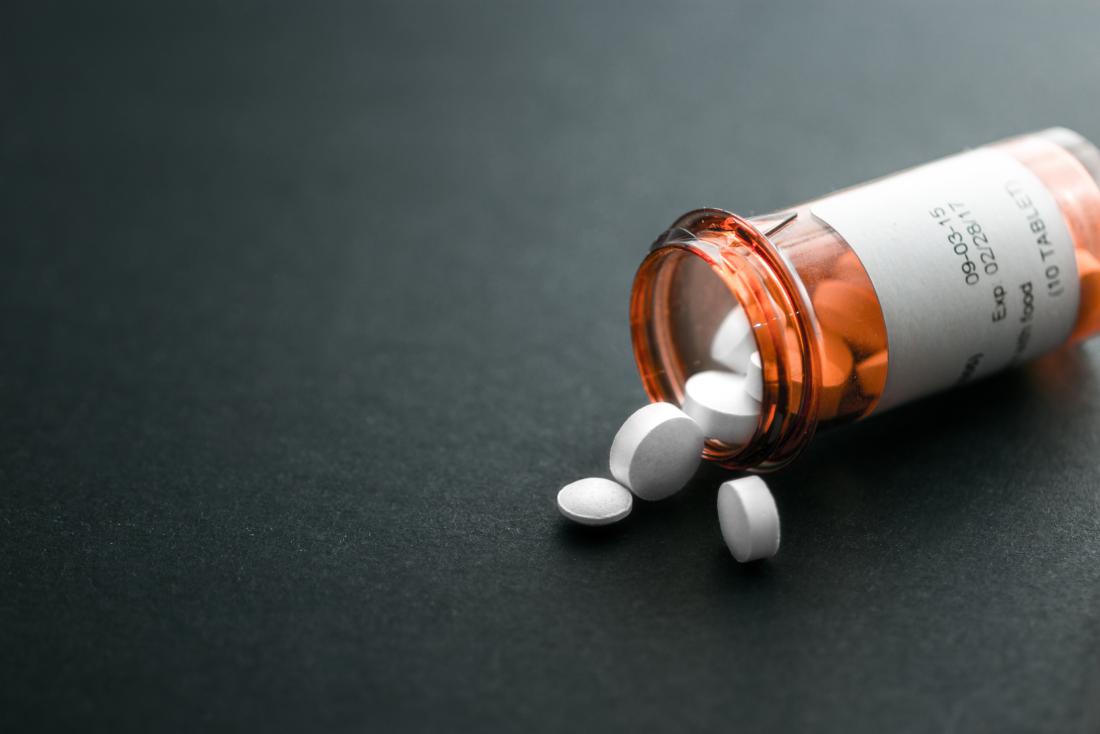
For me, one is addicted when one makes drugs a priority over life – the drugs that take the user far from normalcy and to the brink of ruining one’s identity! It is when one loses identity for the urge of drugs that one usually realizes the mistake. It is then that one realizes that all that the drugs gave in return was a life of dissolved potential and weird irrational personality; unconscious and unaware of worldly affairs.
Usually, people get into addiction due to some kind of stress that they undergo. It may be social religious etc. Most of the youth of the present generation are drug addicts because they may have passed through some types of criticism like due to their family standard, their weakness in education and other social issues.
A large number of our youth are also caught due to the perceived western influence on their minds. It completely changes our mindset and makes us feel that we are at the top of the world, but it actually ruins us down to the bottom. Some youth use cigarettes that makes them feel that it raises their social status, but they are unaware that it is actually wrong and makes their status to fall in society.
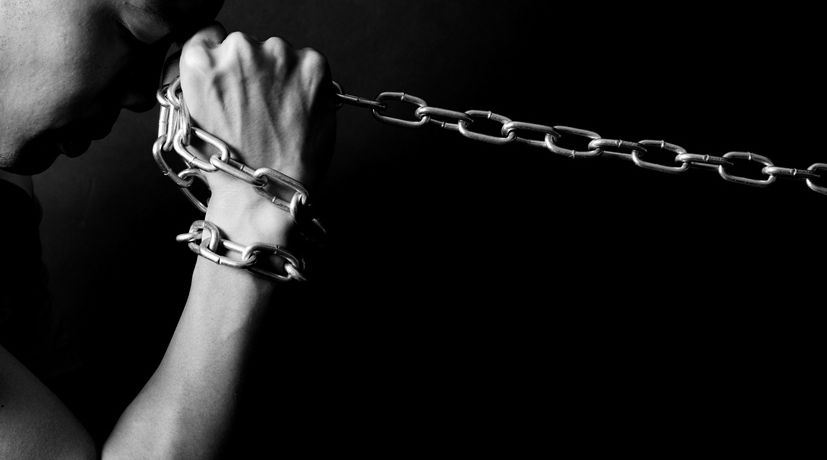
Some of our genius youth crush a bit of charas and fetch a feeling of being a saint and claim to have achieved an ascetic tendency. Others fall in love and when they feel cheated, some might start indulging into drugs. Many a great minded youth of our country also get indulged with this evil of drug addiction because their potential is being crushed under the feet of some rich families who snatch, through corrupt practices, the rightful opportunities belonging to youth mid or lower class families who have worked for it. The youth suffer unemployment and begin to use drugs that later leads to suicides too.
Now! In the present era of development and education, there is an alarming need to control the addiction and save the youth and the future of our country. There are many ways to control addiction among youth as it can be controlled starting from grass root level to the next higher levels up to the highest level. This way the drug addiction can be completely neutralized in our country.
First, individuals can play a great role in diverting the attention of youth towards some social and religious work that will inculcate a feeling of motivation in their minds and make them stress-free. Hence, it will prevent them from using drugs.
Parents also have a vital role to play to drive this addiction out of our society by being more supportive of them, rather than being critical. This way their children won’t suffer any kind of stress and would possibly focus more on their studies. Additionally, there should also be social action on selling and availability of these drugs, especially to the youth.
Educational and other institutes can help a lot to destroy this evil of addiction by introducing youth to various athletic activities that will completely change the mind of youth about addiction. These institutes can also organize various debates and programs in view of the drug abuse thus control it a lot. The government must play a major role in driving the evil out by introducing various schemes for youth, generating employment and setting various rehabilitation centers up for the already addicted youth, so that they can rehabilitate and start their journey again with a new positive change. There should be a complete and effective ban the life-threatening drugs in the country and all the drug peddlers and sellers should be arrested as they are also a great cause for the ruin of the youth.
Finally, the steps against this biggest social evil should be made our top priority because if not controlled now, our country may suffer a lot and would be ruled my mindless cowards in future. And that would be the most frightening debt under which the country may soon drown.
Saqib Javed Dar (Anantnag)
Muqu’s Creations
(Saqib Javed Dar is a Class XI student of Saint Peter’s International Academy, Anantnag, J&K. He studies science stream and aspires to be a future doctor and writer. He is also an avid writer and writes about his experiences of life.)
 Vivact - Talking Healthcare